The Ultimate Jiefangbei Chongqing Neighborhood Guide: Vetted Hotels, Food & Inside Tips

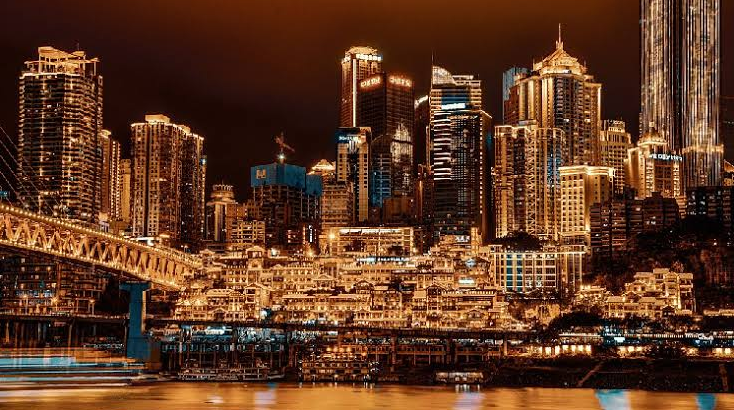
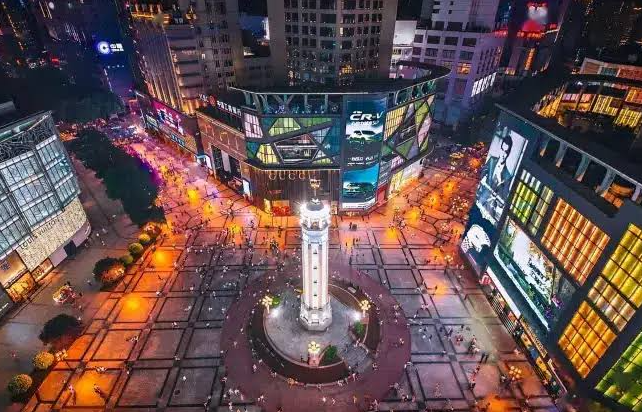
If Chongqing is China’s 8D cyberpunk metropolis, Jiefangbei (解放碑 – Liberation Monument) is its Kilometer Zero. This 27.5-meter-tall clock tower is not just a geographical landmark; it is the historical, economic, and cultural anchor of the city. For any first-time visitor navigating the mountain city, this neighborhood serves as the most logical, stress-free operational base camp.
📌 Jiefangbei At A Glance
Located squarely in the center of the Yuzhong District (渝中区), Jiefangbei holds the distinction of being the only national monument commemorating the victory of the Chinese people in the War of Resistance Against Japanese Aggression (WWII).
First erected in 1940 as a simple wooden structure called the “Spiritual Fortress,” it was rebuilt in stone in 1947, and finally renamed the “People’s Liberation Monument” in 1950.
Today, the surrounding pedestrian plazas have evolved into Western China’s pioneer mega-commercial district. Home to over 225 international flagship brands, premier shopping malls, and hidden culinary alleys, Jiefangbei offers independent travelers a perfect trifecta: seamless transit infrastructure, dense sightseeing density, and unparalleled food access.
✨ Why Jiefangbei Matters: Beyond the Shopping Malls
To casual tourists, Jiefangbei looks like a standard neon-lit commercial core. To locals, it represents unyielding resilience.
- The WWII Symbol of Defiance: Built during the darkest days of WWII when Chongqing was China’s provisional capital, the original monument stood amidst five and a half years of brutal aerial bombardment. Hidden inside the monument lies a historic scroll of tribute written by US President Franklin D. Roosevelt to the citizens of Chongqing in 1944, honoring their unyielding spirit.
- The Urban Economic Blueprint: In 1997, when Chongqing became a direct-controlled municipality, Jiefangbei hosted Western China’s first commercial pedestrian street. As skyscrapers shot up around it, the monument remained the anchor of the city’s economic boom.
- The International Window: With 215 premier “first-store” flagships and expanding visa-free entry policies, Jiefangbei has become the primary window for international arrivals exploring South China.
👥 Who is Jiefangbei Best For?
| Traveler Profile | Suitability | The Honest Reality Check |
|---|---|---|
| First-Time Visitors | ★★★★★ | You are physically in the middle of everything. It eliminates the steep learning curve of Chongqing’s confusing multi-layered geography on day one. |
| Families (Seniors/Kids) | ★★★★★ | Wide pedestrian zones mean zero car traffic. Dozens of food options are accessible without climbing steep mountain paths. |
| Short-Stay Travelers (1-3 Days) | ★★★★★ | You can tick off half a dozen iconic sights on foot right outside your hotel lobby. |
| Foodies & Shoppers | ★★★★★ | Home to the city’s highest concentration of legendary hot pot spots and street food alleys. |
| Off-the-Beaten-Path Explorers | ★★★★☆ | Highly commercialized on the surface. You will need to dive into the back-alley lanes to find “old Chongqing.” |
| Peace & Quiet Seekers | ★★★☆☆ | Bright, loud, and active past midnight. If you want a serene river view, consider booking along Nanbin Road instead. |
🗺️ Neighborhood Map & Nearby Attractions
Virtually all of downtown Chongqing’s iconic landmarks are within walking distance of the central monument. Here is a realistic breakdown of nearby attractions, ordered by walking distance:
| Attraction | Walking Distance | Recommended Time | Cost | Inside Scoop & Highlights |
|---|---|---|---|---|
| Jiefangbei Pedestrian Street (解放碑步行街) | 0 mins | 20 mins | Free | Ideal for people-watching, urban photography, and city vibes. |
| Bayi Food Street (八一好吃街) | 1 min | 30-60 mins | Free | The absolute epicenter of local street food and snacks. |
| Kuixinglou (魁星楼) | 5 mins | 15 mins | Free | The 8D Urban Illusion: Stand on an open plaza, look down, and realize you are on the roof of a 22-story building. |
| Daijiaxiang Cliff Path (戴家巷崖壁步道) | 5-8 mins | 20-30 mins | Free | A dramatic walkway featuring river views, indie cliffside coffee shops, and great photo spots. |
| WFC Huixianlou Observatory (会仙楼观景台) | 5 mins | 30-60 mins | ~118 RMB | The peninsula’s highest observation platform (590m) offering 360-degree skyline views. |
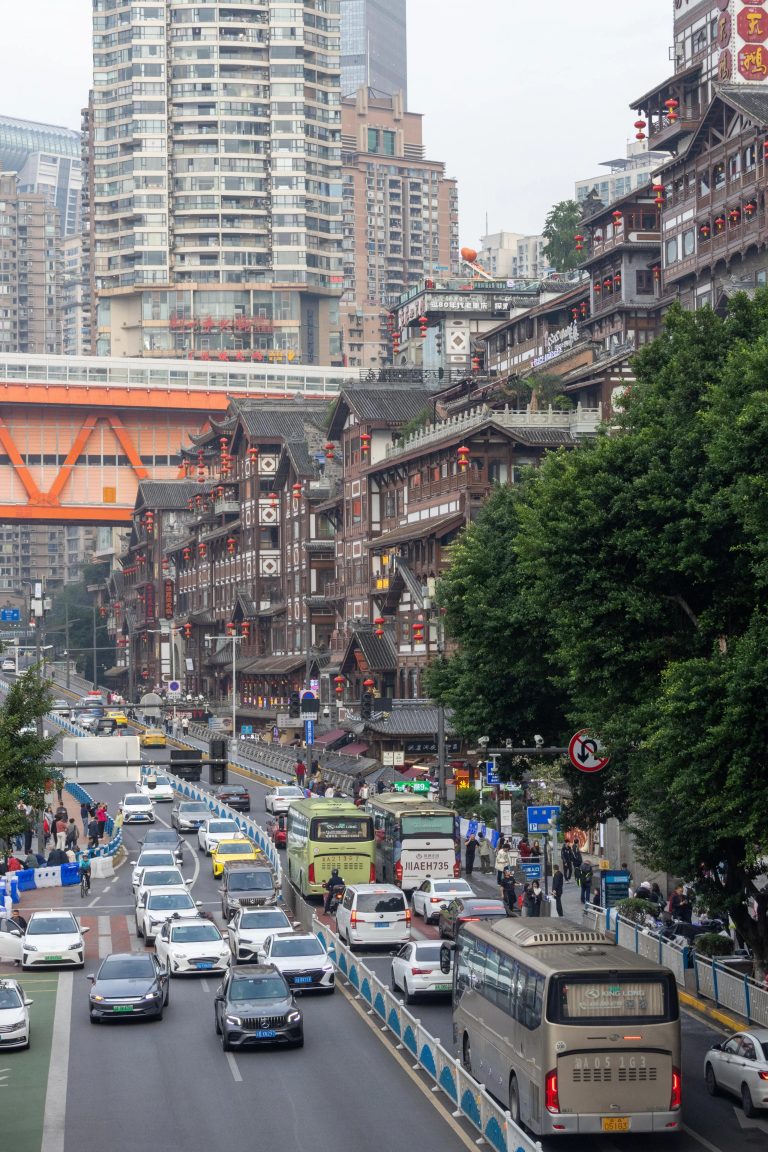
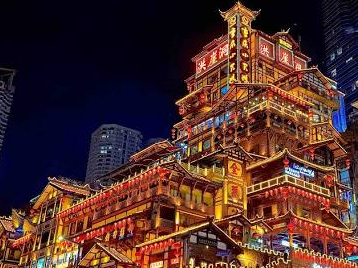
| Hongyadong / Hongya Cave (洪崖洞) | 8-10 mins | 1.5-2 hours | Free | The real-life double of Miyazaki’s Spirited Away. Incredible night lighting, but very crowded. |
| Luohan Temple (罗汉寺) | 10 mins | 20-30 mins | ~10 RMB | A peaceful 1,000-year-old Buddhist sanctuary completely surrounded by massive modern towers. |
| Yangtze River Cableway (长江索道北站) | 12 mins | 4 mins (Ride) | 30 RMB | The historic aerial tramway across the Yangtze. Expect long lines at peak hours. |
| Shibati Traditional Area (十八梯) | 12-15 mins | 1-1.5 hours | Free | A historic hillside residential step-street, recently rebuilt into a clean, commercial old-town district. |
| Shancheng Alley (山城巷) | 15 mins | 1-1.5 hours | Free | A cliffhanging residential walkway. Highly recommended for an authentic, gritty local feel. |
| Baixiangju Apartments (白象居) | 15-18 mins | 20-30 mins | Free | A gritty, 1990s residential block built with no elevators. A popular indie film location. |
| Raffles City & Chaotianmen (来福士广场) | 15-18 mins | 1 hour | Free | Where the two rivers meet, capped by a massive ship-shaped structural skyscraper complex. |
| Huguang Guild Hall (湖广会馆) | 18-20 mins | 40-50 mins | ~30 RMB | A brilliant yellow Qing Dynasty complex showcasing ancestral migration history. |
| Longmenhao Old Street (龙门浩老街) | ~10 mins (Taxi) | 1-1.5 hours | Free | Located across the river; historic Western-Chinese blend architecture with skyline views. |
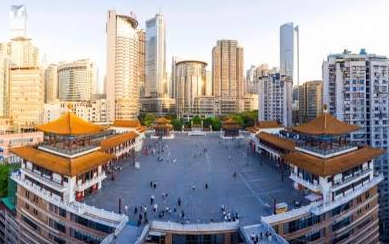
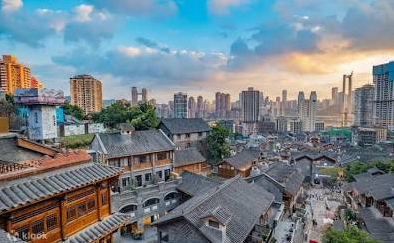
📌 Pro-Tip on Shibati vs. Shancheng Alley: While both showcase Chongqing’s signature hillside architecture, Shibati is almost entirely reconstructed and feels like a polished, commercial tourist park. Shancheng Alley, however, retains its original stone retaining walls, local residents hanging up laundry, and a genuinely raw mountain-town atmosphere. Prioritize Shancheng Alley if you want a less commercialized experience.
🍜 Where to Eat: Authenticity vs. Tourist Traps
Bayi Food Street: The Snack Mecca
This central walking alley is packed with small food stalls. It can be intensely chaotic, and quality varies widely. Stick to these vetted institutions:
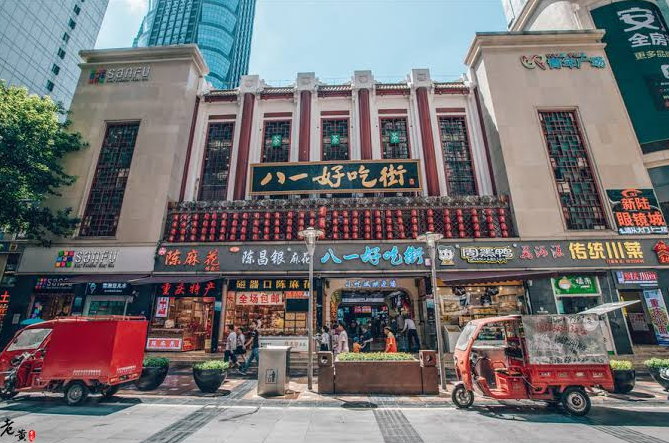
- Haoyoulai Suanlafen (好又来酸辣粉): A legendary institution. Expect lines for their signature hot and sour sweet potato glass noodles topped with rich minced pork. It is intensely spicy and numbing (Mala).
- Huashi Wandamian (花市豌杂面): Order the Wanza Noodles—dry wheat noodles tossed with heavily spiced minced pork and yellow peas cooked down until melt-in-your-mouth soft.
- He Xing Ji (何兴记): Try the Shaopi (roasted, chewy sweet potato starch skins wrapped around savory pickled vegetables and scallions).
- Pangzima Yanshuiya (胖子妈盐水鸭): Famous for savory salted duck, duck tongues, and gizzards. A perfect choice if you need a quick break from the chili burn.
⚠️ Tourist Trap Warning: Avoid any unbranded stalls on Bayi Road where aggressive staff wave placards to pull you into seating areas. Prices are inflated and the food is often frozen or reheated. Stick to the shops where you see locals queuing.
Vetted Jiefangbei Hot Pot Joints
Chongqing hot pot relies on a rich, heavy base of seasoned beef tallow (oil), Sichuan peppercorns, and dried red chilies.
- Tianbang Lao Hotpot (天棒老火锅): A rugged, authentic local favorite tucked just off the main avenue. It offers a classic “hole-in-the-wall” atmosphere and packs a serious spice punch.
- Lao Qiuqiu (老丘丘): A highly reliable neighborhood spot known for clean ingredients, solid reputation, and a slightly more approachable spice profile for beginners.
💡 Local Insider Tip: For a cheaper, less commercial food scene, hop on Metro Line 3 for three stops north to Guanyinqiao Food Street (观音桥好吃街). It is where local university students hang out, and prices are roughly 20-30% lower than Jiefangbei.
🚇 Transit & Logistics Navigation
Chongqing’s vertical layout frequently confuses GPS and map apps. The Metro is always your fastest and most reliable option.
Key Metro Connections in Jiefangbei
- Xiaoshizi Station (小什字站) – Lines 1 & 6: Use Exits 5A or 9. This drops you off directly by the Yangtze River Cableway, Hongyadong, and the upper section of the commercial district.
- Linjiangmen Station (临江门站) – Line 2: Use Exit 2. Ideal for hitting the central monument plaza and Guotai Arts Center.
- Jiaochangkou Station (较场口站) – Lines 1 & 2: Best exits for Shibati, Shancheng Alley, and the local night markets.
Getting Here From Chongqing Jiangbei International Airport (CKG)
- By Metro (Recommended): Take Line 10 from the airport terminal to Hongtudi Station, then switch to Line 6 and get off at Xiaoshizi Station.
- Time: ~45 minutes. Cost: 5-7 RMB.
- By Airport Express Bus: Look for Route K01 outside the arrivals hall. It drives directly to the Jiefangbei commercial core (stops near the Chongqing宾馆 station).
- Time: ~60 minutes (subject to traffic). Cost: 15 RMB.
- By Taxi / Ride-hailing: Follow the official taxi ranks. Avoid drivers soliciting rides inside the terminal halls.
- Time: 30-60 minutes depending on notorious rush-hour traffic bottlenecks on the bridges. Cost: ~50-70 RMB (Daytime rate).
✅ The Honest Pros & Cons of Staying in Jiefangbei
The Pros
- Unrivaled Convenience: You can walk to 70% of the city center’s top attractions, saving massive amounts of transit time.
- English-Friendly Amenities: Due to the density of international hotel brands, staff here are far more likely to speak English, and western banking/ATM options are readily available.
- 24/7 Energy: The area stays well-lit and active past midnight. Late-night dining, bars, and 24-hour convenience stores are everywhere.
The Cons
- The Price Premium: Hotels and restaurants here carry a 20-30% “tourist tax” premium compared to surrounding residential districts like Jiangbei or Nan’an.
- Crowd Fatigue: During Chinese national holidays (Golden Week, Labor Day), the pedestrian zones become completely saturated with domestic tour groups.
- The Taxi Trap: Because Jiefangbei is an old, dense peninsula grid with frequent traffic restrictions, hailing a DiDi or taxi during peak hours (5 PM – 8 PM) can result in long waits. Drivers will often ask you to walk to the outer edge of the neighborhood to pick you up.
Vetted Accommodation Picks
- Luxury & Views: The Westin Chongqing Liberation Square (~800 – 1,500 RMB/night)
- Why book: Features an iconic glass-bottom rooftop pool and sky bar. Located a 5-minute walk from the metro, offering some of the best unobstructed views of the peninsula skyline.
- Quiet Premium: JW Marriott Hotel Chongqing (~500 – 900 RMB/night)
- Why book: Strategically positioned just far enough from the loud pedestrian center to offer a quiet night’s sleep, while still being an easy 10-minute walk to the monument.
- Social & Modern: Moxy Chongqing Jiefangbei (Marriott) (~400 – 550 RMB/night)
- Why book: Located directly on Bayi Food Street. It features vibrant, millennial-focused design, a lively 29th-floor rooftop bar, and excellent English-speaking service.
- Smart Value: UrCove by Hyatt Jiefangbei (~300 – 450 RMB/night)
- Why book: Exceptional mid-range value. Clean, contemporary rooms with automated amenities, situated less than a 10-minute walk from both the monument and Hongyadong.
🗺️ Optimized Jiefangbei Itineraries
Option 1: The Half-Day Essentials Express (3–4 Hours)
Best for layovers or short evening windows.
- 10:00 AM — The Monument: Start at the central Jiefangbei monument. Take your photos before the midday crowds arrive.
- 10:20 AM — Midmorning Snack: Walk 1 minute to Bayi Food Street. Grab a bowl of Wanza Noodles at Huashi Wandamian.
- 11:00 AM — The 8D Reality Check: Walk over to Kuixinglou. Experience the dizzying view from the 22nd-floor pedestrian bridge.
- 11:30 AM — Cliffside Coffee: Walk down into the Daijiaxiang Cliffside Pathway. Grab an iced Americano at an indie café overlooking the Jialing River.
- 12:30 PM — Hongyadong Descent: Enter the top floor (11th floor) of Hongyadong from the cliffside street level, and walk down through the interior markets to the 1st floor exit along the river highway.
Option 2: The Full-Day Deep Dive (6–8 Hours)
A high-activity route covering both modern energy and historical architecture. Expect around 20,000 steps.
- 09:30 AM — Jiefangbei Plaza: Morning photography and monument history check.
- 10:00 AM — Old City Walk: Walk to Shancheng Alley. Hike up the historic stone steps, past preserved courtyard homes and local artisans.
- 11:30 AM — Shibati Exploration: Move down to the Shibati Traditional Area to see the contrast of modern architectural preservation.
- 12:30 PM — Lunch: Hit the Jiaochangkou or Bayi Road area for authentic street food or a traditional sit-down hot pot lunch.
- 02:00 PM — River Crossing: Walk to the Yangtze River Cableway (North Station). Ride the vintage cable car across the wide river to the South Bank (Nan’an District).
- 03:30 PM — Retrotech Architecture: Head to Baixiangju Apartments to explore the fascinating, labyrinthine layout of 1990s residential skyscrapers built entirely without lifts.
- 05:00 PM — Midday Rest: Return to your hotel to freshen up and escape the late-afternoon humidity.
- 06:30 PM — Golden Hour View: Head up to the WFC Observatory right as the city lights begins to flick on across the Yuzhong Peninsula.
- 08:00 PM — The Nightcap: Walk down to Qiansimen Bridge adjacent to Hongyadong to capture the iconic glowing night shots from across the water.
💡 One-Day Route Reminder: This full-day route involves heavy walking (20,000 steps plus). Comfortable athletic sneakers are non-negotiable. The Yangtze River Cableway lines peak at midday; if queues are greater than 45 minutes, consider delaying your ride until later in the evening when wait times naturally drop.