Chongqing Travel Guide: Itinerary, Food, Transport & Local Tips

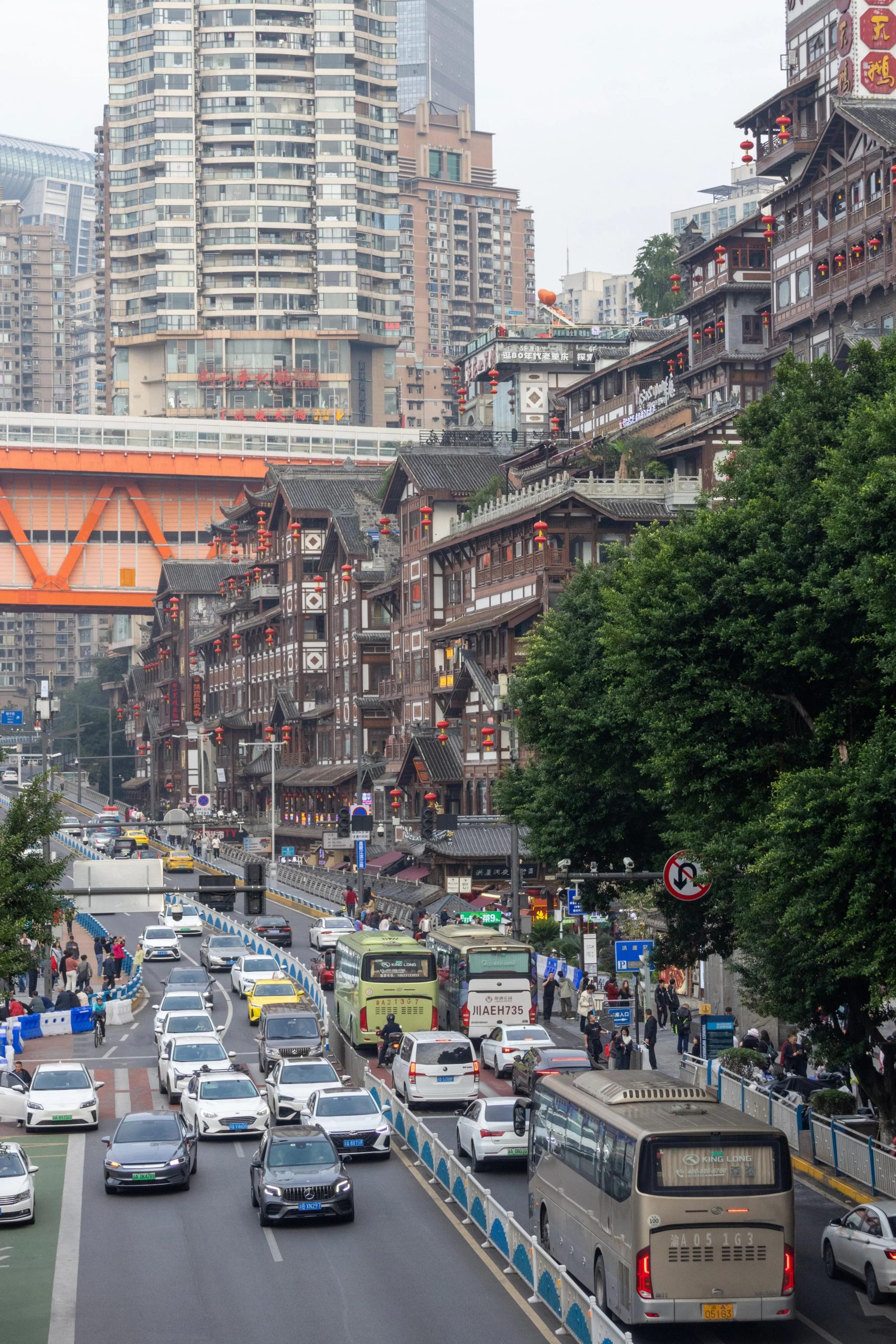
Chongqing (重庆) is not an easy city to explain on a flat map. Roads stack over roads, metro lines cut through hillsides, elevators connect streets that seem to belong to different cities, and a “short walk” can mean stairs, tunnels, bridges, and several unexpected levels.
For first-time visitors, that is exactly the appeal.
This guide is written for international travelers planning an independent trip to Chongqing. It covers when to visit, how to get around, where to stay, what to eat, which sights are worth your time, and what to skip if your schedule is tight.
Quick Overview
| Topic | Practical advice |
|---|---|
| Best time to visit | Spring and autumn are usually the most comfortable seasons. |
| Suggested stay | 3–5 days: 2–3 days in the city, plus 1–2 days for nearby sights. |
| Currency | Chinese yuan, CNY / RMB. Mobile payment is widely used. |
| Language | Mandarin is standard; Chongqing dialect is common among locals. Major metro stations and attractions usually have some English signage. |
| Payments | Set up Alipay (支付宝) or WeChat Pay (微信支付) before arrival if possible. Keep a small amount of cash as backup. |
| Plugs and voltage | China uses 220V. Bring a universal adapter. |
| Emergency numbers | Police: 110. Fire: 119. Ambulance: 120. Immigration service hotline: 12367. |
| Internet | Use an eSIM, local SIM, or portable Wi-Fi. Some Western apps and websites may not work normally in mainland China. |
| Tipping | Tipping is not expected in most restaurants, taxis, or hotels. |
Visa and Entry Notes for International Travelers
China’s entry policies have changed several times in recent years, so always check official sources before booking flights. That said, many visitors now enter Chongqing (重庆) through one of the following options.
240-Hour Visa-Free Transit
Some passport holders may be eligible for China’s 240-hour visa-free transit policy. This is designed for travelers transiting through China on the way to a third country or region.
In simple terms, your route must usually look like this:
Country A → Chongqing / China → Country or region B
For example:
London → Chongqing → Bangkok
You normally need a valid passport and a confirmed onward ticket to a third country or region within the permitted time. The departure country and final destination should not be the same country.
This policy is useful if you want to add Chongqing to a wider Asia trip without applying for a standard tourist visa.
30-Day Visa-Free Entry for Selected Countries
China also has unilateral visa-free entry arrangements for ordinary passport holders from selected countries. These policies can cover tourism, business, family visits, exchanges, or transit for stays of up to 30 days.
Eligibility depends on nationality, passport type, purpose of visit, and the policy in force at the time of travel. Do not assume you are covered just because you have visited China before.
24-Hour International Transit
If you are only changing international flights at Chongqing Jiangbei International Airport (重庆江北国际机场) and will not leave the restricted transit area, you may be able to use 24-hour visa-free transit. If you need to leave the airport transit area, you may need a temporary entry permit.
Before You Fly
Check these details carefully:
- Passport validity
- Whether your nationality is eligible
- Whether your route qualifies
- Confirmed onward ticket
- Hotel booking if staying overnight
- Whether your arrival port supports the policy
- Whether your planned travel area is permitted
For uncertain cases, contact your airline, the Chinese embassy or consulate, or China’s immigration hotline before departure.
Best Time to Visit Chongqing
Chongqing has a humid climate, hot summers, mild winters, and frequent mist. It is famous for spicy food and steep streets, but the weather can shape your trip just as much as the itinerary.
Spring: March to May
Spring is one of the best times to visit. Temperatures are usually comfortable, flowers are in bloom, and outdoor sightseeing is easier than in summer.
Summer: June to August
Summer is hot, humid, and intense. Chongqing is known as one of China’s “furnace cities,” and midday sightseeing can be tiring. If you visit in summer, plan outdoor activities early in the morning or after sunset.
Autumn: September to November
Autumn is another excellent season. The weather is often more comfortable, visibility can be better, and evenings are pleasant for river views and night photography.
Winter: December to February
Winter is quieter and often cheaper, but it can be grey, damp, and foggy. This is a good season for hotpot, museums, teahouses, and slower city walks.
How Many Days Do You Need?
2 Days
A fast weekend-style trip can cover Jiefangbei (解放碑), Hongyadong / Hongya Cave (洪崖洞), Liziba Station (李子坝站), Yangtze River Cableway (长江索道), and one old street or food area.
3 Days
This is the best minimum for first-time visitors. You can see the main city sights without rushing every hour.
4 Days
Add Wulong Karst (武隆喀斯特) or Dazu Rock Carvings (大足石刻) as a day trip.
5 Days or More
A deeper trip can include Chongqing Zoo (重庆动物园), Mountain City Trail (山城步道), Tielu Village / Railway Village areas, local teahouses, night markets, and a slower food-focused itinerary.
Getting Around Chongqing
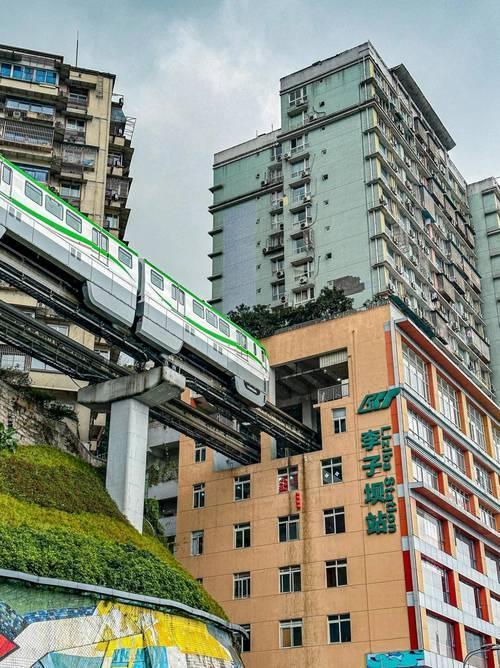
Chongqing is a city where your map may lie to you. Two places may look close, but the route could involve stairs, overpasses, underground passages, and steep slopes.
The good news: public transport is excellent.
Metro and Monorail
Chongqing Rail Transit is the easiest way to move around the city. It connects the airport, railway stations, major shopping areas, and many tourist sights.
Good metro stops for visitors include:
- Xiaoshizi Station (小什字站): for Hongyadong / Hongya Cave (洪崖洞), Chaotianmen (朝天门), and Jiefangbei (解放碑)
- Jiaochangkou Station (较场口站): for food streets and central Chongqing
- Liziba Station (李子坝站): for the famous monorail-through-building view
- Ciqikou Station (磁器口站): for Ciqikou Ancient Town (磁器口古镇)
- Zengjiayan Station (曾家岩站): for river views and city walks
For payment, open the Chongqing public transport QR code in Alipay (支付宝) or WeChat (微信), or buy single-journey tickets at the station.
From Chongqing Jiangbei International Airport (重庆江北国际机场) to Downtown
| Option | Best for | Notes |
|---|---|---|
| Metro | Budget travelers | Usually the cheapest and most reliable option, though transfers and walking may be required. |
| Taxi or ride-hailing | Travelers with luggage | Easier if staying around Jiefangbei (解放碑), Hongyadong (洪崖洞), or Nanbin Road (南滨路). |
| Airport bus | Simple routes | Useful if your hotel is near a stop, but less flexible than the metro. |
| Private transfer | Families, late arrivals, business travelers | More expensive, but convenient after a long flight. |
Taxis and Ride-Hailing
Didi (滴滴) is usually the easiest option if you have mobile data and a working payment method. It reduces language issues because your destination is entered in the app.
For regular taxis:
- Use official taxis with meters.
- Ask the driver to use the meter: “Dǎ biǎo” (打表).
- Avoid unofficial cars offering fixed prices near tourist areas.
- Be cautious if a driver recommends a “special” restaurant, shop, or attraction.
Walking in Chongqing
Walking is part of the experience, but wear the right shoes. Chongqing is not a flat city. A short walk can turn into a stair workout, and even central areas can be tiring with luggage.
Classic Chongqing Experiences
Yangtze River Cableway (长江索道)
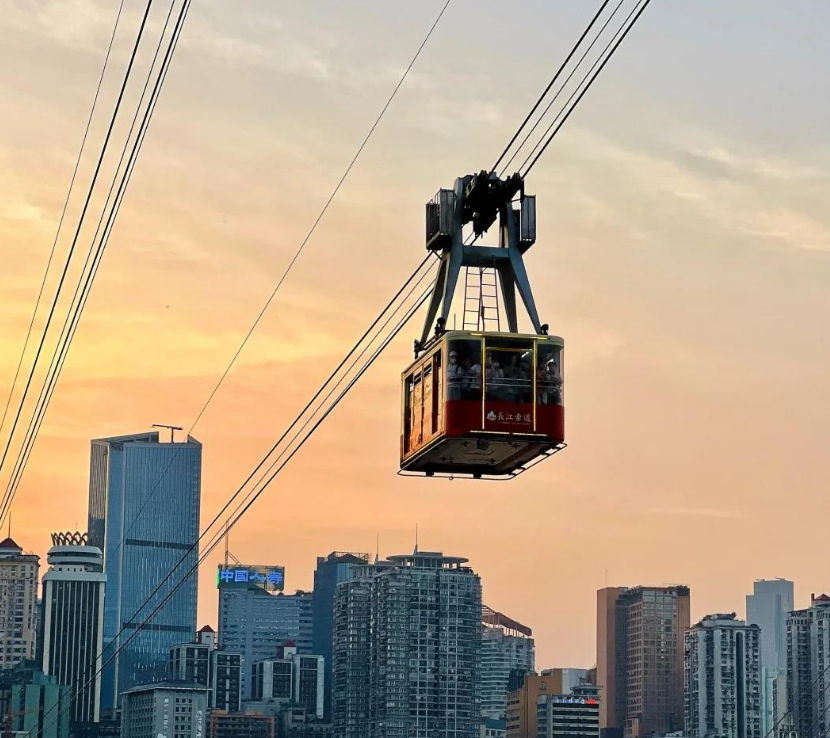
The Yangtze River Cableway (长江索道) crosses the Yangtze River between Yuzhong District (渝中区) and Nan’an District (南岸区). It was once everyday transport. Today, it is one of Chongqing’s most recognizable visitor experiences.
The ride itself is short, so the queue often matters more than the cableway time. For most travelers, a one-way ride is enough. The view is especially good around sunset or after dark, but these are also the busiest times.
Tip: If the downtown station queue is too long, consider starting from the south bank side.
Liziba Station (李子坝站)
Liziba Station (李子坝站) is the famous rail station where Chongqing Rail Transit Line 2 appears to pass through a residential building. It is free to visit, quick to photograph, and one of the best examples of how Chongqing’s transport system adapts to the city’s steep terrain.
You do not need much time here. Fifteen to thirty minutes is usually enough unless you want to wait for several trains for photos.
Hongyadong / Hongya Cave (洪崖洞)
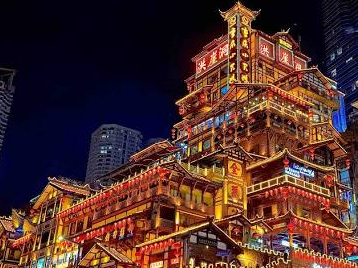
Hongyadong / Hongya Cave (洪崖洞) is a multi-level riverside complex built into the cliff above the Jialing River (嘉陵江). It is at its best at night, when the wooden-style façades are lit and the whole area reflects on the water.
It is also crowded. The best experience is usually not inside the complex, but from outside looking back at it.
Best viewing spots:
- Qiansimen Bridge (千厮门大桥)
- The riverside near Chongqing Grand Theatre (重庆大剧院)
- Jialing River waterfront viewpoints
Tip: Hongyadong has multiple street-level exits. Both the lower and upper levels can feel like “ground floor.” This confuses many first-time visitors.
Jiefangbei Pedestrian Street (解放碑步行街)
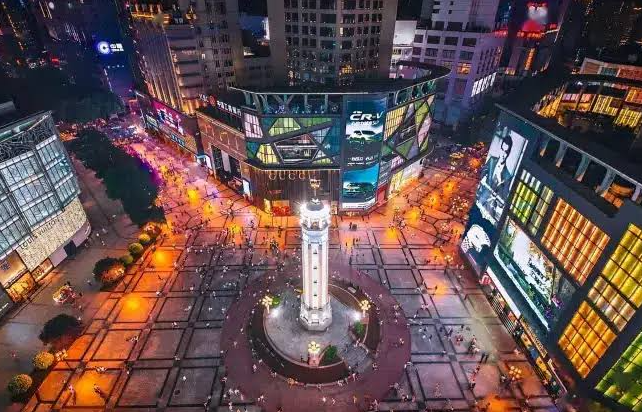
Jiefangbei (解放碑) is the symbolic center of downtown Chongqing and a convenient base for first-time visitors. It is not a quiet area, but it is easy for food, shopping, metro access, and night walks.
Ciqikou Ancient Town (磁器口古镇)
Ciqikou Ancient Town (磁器口古镇) is one of Chongqing’s best-known old streets. It can be touristy, but it still works well for snacks, souvenirs, teahouses, and a quick look at old-style Chongqing lanes.
Go earlier in the day if you want fewer crowds.
Mountain City Trail (山城步道)
Mountain City Trail (山城步道) is one of the better places to understand Chongqing on foot. It combines steps, old residential areas, river views, and cliffside paths.
This is a better choice than rushing between too many viral photo spots. It gives you a real sense of the city’s vertical daily life.
Chongqing Zoo (重庆动物园)
Chongqing Zoo (重庆动物园) is popular with families and panda lovers. It is usually easier and cheaper to visit than many giant theme-style attractions, and it can fit into a half-day itinerary.
Go in the morning for a better chance of seeing active animals.
What to Eat in Chongqing
Chongqing food is bold, spicy, oily, fragrant, and deeply addictive. It is also not gentle on sensitive stomachs. Start slowly if you are not used to Sichuan peppercorns or heavy chili oil.
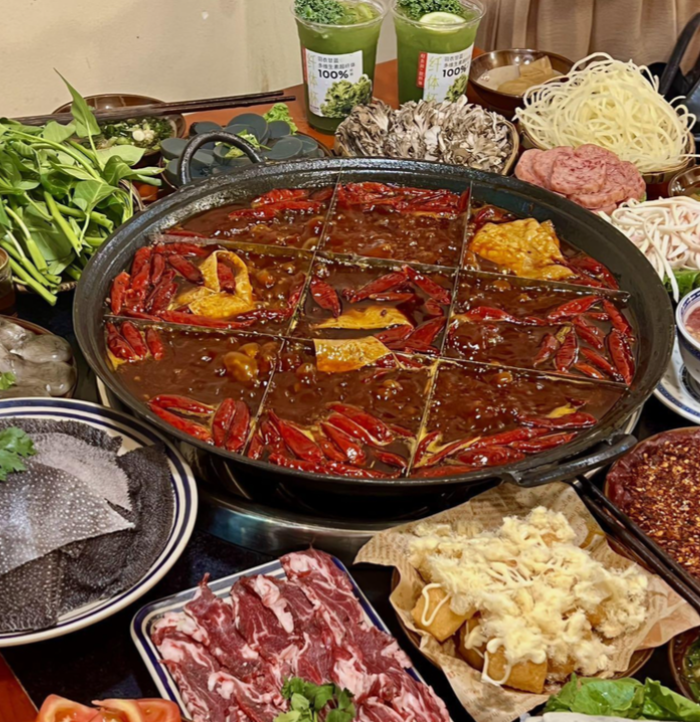
Chongqing Hotpot (重庆火锅)
Hotpot is the city’s signature meal. The classic version uses a red beef-tallow broth with chili and Sichuan peppercorns. Locals often order tripe, beef, duck intestine, tofu skin, mushrooms, vegetables, and sliced meat.
If you do not eat very spicy food, order a split pot:
Yuānyāng guō (鸳鸯锅) — half spicy broth, half mild broth.
Useful phrase:
Bù tài là (不太辣) — “Not too spicy.”
Be aware: Chongqing “mild spicy” may still be very spicy for visitors.
Xiaomian / Chongqing Noodles (重庆小面)
Xiaomian (重庆小面) is a local breakfast and lunch staple. A basic bowl comes with wheat noodles, chili oil, garlic, scallions, soy sauce, vinegar, and Sichuan pepper. You can also try versions with minced pork and peas.
Jianghu Cuisine (江湖菜)
Jianghu Cuisine (江湖菜) refers to bold, informal Chongqing-style dishes with strong flavors. Examples include Chongqing Laziji / Spicy Chicken (重庆辣子鸡), spicy fish, garlic crayfish, and dry-pot dishes.
This is best shared with friends because portions can be large and flavors intense.
Street Snacks
Good snack areas include Bayi Food Street (八一好吃街), Jiaochangkou (较场口), Guanyinqiao (观音桥), and parts of Ciqikou Ancient Town (磁器口古镇).
Try:
- Suanlafen / Hot and Sour Noodles (酸辣粉)
- Chen Mahua / Fried Dough Twists (陈麻花)
- Bingtangyuan / Iced Sweet Rice Dumplings (冰汤圆)
- Shaopi / Grilled Sweet Potato Starch Sheet (苕皮)
- Kaonaohua / Roasted Pig Brain (烤脑花), if you are adventurous
Food Safety Tips
- Choose busy restaurants with high turnover.
- Start with less chili if you are not used to spicy food.
- Avoid overeating hotpot on your first night.
- Bring stomach medicine if you are sensitive to oil or spice.
- Use translation apps for allergies and dietary restrictions.
Where to Stay in Chongqing
Jiefangbei (解放碑) / Hongyadong (洪崖洞)
Best for first-time visitors.
Pros:
- Central location
- Easy access to food and metro lines
- Walkable to Hongyadong (洪崖洞), Jiefangbei (解放碑), and Chaotianmen (朝天门)
- Many hotel choices
Cons:
- Crowded
- Noisy at night in some areas
- Prices can rise during holidays
- Some older hotels may have small rooms or dated facilities
Stay here if you want convenience over quiet.
Nanbin Road (南滨路)
Best for river views, couples, and photographers.
Pros:
- Excellent views of the Yuzhong Peninsula (渝中半岛)
- More relaxed than Jiefangbei
- Good for night skyline photos
- Some high-end hotels and river-view rooms
Cons:
- Less convenient for walking to central attractions
- You may rely more on taxis or ride-hailing
Stay here if you care about views and a slightly slower atmosphere.
Guanyinqiao (观音桥)
Best for nightlife, shopping, and a more local urban feel.
Pros:
- Busy commercial district
- Good food and nightlife
- Popular with younger locals
- Often better value than the most touristy downtown areas
Cons:
- Not within walking distance of Hongyadong
- Less convenient for classic first-time sightseeing
Stay here if you want food, shopping, and evening energy.
Shapingba (沙坪坝)
Best for budget travelers or those using trains.
Pros:
- Good transport connections
- Close to Ciqikou Ancient Town (磁器口古镇)
- Often better hotel value
Cons:
- Farther from Jiefangbei and riverside night views
- Less ideal for a first-time short stay
3-Day Chongqing Itinerary for First-Time Visitors
Day 1: Jiefangbei, Food Street, and Hongyadong
Start in Jiefangbei Pedestrian Street (解放碑步行街), then explore Bayi Food Street (八一好吃街) for snacks such as Suanlafen (酸辣粉), Xiaomian (重庆小面), and Bingtangyuan (冰汤圆).
In the late afternoon, walk toward Hongyadong / Hongya Cave (洪崖洞). Explore the upper and lower levels before sunset, then cross or approach Qiansimen Bridge (千厮门大桥) for the night view.
Best plan: arrive before full darkness, find your photo spot early, and avoid trying to leave at the exact peak crowd time.
Day 2: Cableway, Liziba, Mountain City Trail, and Nanbin Road
Take the Yangtze River Cableway (长江索道), ideally one way. Then visit Liziba Station (李子坝站) for the monorail-through-building view.
In the afternoon, walk part of Mountain City Trail (山城步道) or explore an older neighborhood nearby.
In the evening, go to Nanbin Road (南滨路) for skyline views across the river. This is one of the best places to understand Chongqing’s scale after dark.
Day 3: Ciqikou, Museum, and Local Neighborhoods
Visit Ciqikou Ancient Town (磁器口古镇) in the morning. It is touristy, but still useful for snacks, souvenirs, and old-street atmosphere.
In the afternoon, choose one:
- Three Gorges Museum (三峡博物馆), for history and Yangtze River culture
- Chongqing Zoo (重庆动物园), for pandas and a relaxed family-friendly visit
- Guanyinqiao (观音桥), for shopping, food, and nightlife
4-Day Itinerary: Add Wulong Karst
Use the first three days for the city, then spend Day 4 at Wulong Karst (武隆喀斯特), especially Three Natural Bridges (天生三桥).
Wulong is known for dramatic karst scenery: natural bridges, deep sinkholes, cliffs, and green valleys. It is a long day trip from central Chongqing, so start early. A private driver or organized day tour is more comfortable than trying to manage multiple transfers, especially if you do not speak Chinese.
Best for:
- Nature lovers
- Photographers
- Travelers who want a break from the city
- Fans of large-scale landscapes
Less ideal for:
- Very young children
- Travelers with limited mobility
- Visitors who dislike long road transfers
5-Day Itinerary: Add Culture or Pandas
For a fifth day, choose based on your interests.
Option A: Dazu Rock Carvings (大足石刻)
Choose Dazu Rock Carvings (大足石刻) if you are interested in Buddhist, Taoist, and Confucian art, religious history, and UNESCO heritage sites. This is one of the most important cultural day trips from Chongqing.
Option B: Chongqing Zoo (重庆动物园) + Local Food Areas
Choose this if you are traveling with children or want a slower day.
Option C: Old Streets and Ferry Ride
Combine Danzishi Old Street (弹子石老街), Longmenhao Old Street (龙门浩老街), and a short ferry or riverside walk around Chaotianmen (朝天门), depending on weather and schedules.
Must-See Attractions
| Attraction | Why visit | Time needed |
|---|---|---|
| Hongyadong / Hongya Cave (洪崖洞) | Chongqing’s most famous night-view landmark | 1–2 hours |
| Liziba Station (李子坝站) | The monorail-through-building photo spot | 15–30 minutes |
| Yangtze River Cableway (长江索道) | Short but iconic aerial river crossing | 30–90 minutes including queue |
| Jiefangbei (解放碑) | Central landmark and shopping area | 30–60 minutes |
| Ciqikou Ancient Town (磁器口古镇) | Old street, snacks, teahouses, souvenirs | 2–3 hours |
| Mountain City Trail (山城步道) | Best for understanding Chongqing’s vertical daily life | 1–2 hours |
| Wulong Karst (武隆喀斯特) | Major natural landscape day trip | Full day |
| Dazu Rock Carvings (大足石刻) | UNESCO-listed cultural heritage | Full day |
| Chongqing Zoo (重庆动物园) | Pandas and family-friendly visit | 2–3 hours |
| Nanbin Road (南滨路) | Skyline and river night views | 1–2 hours |
Skip These If You Are Short on Time
Chongqing has many viral attractions, but not all are essential.
Crown Escalator (皇冠大扶梯)
Interesting if you love infrastructure, but it is basically a long urban escalator. Skip it if your itinerary is tight.
Eling Erchang / Testbed 2 (鹅岭二厂)
Good for cafés and photos, but it can feel more like a creative park than a must-see cultural site. If you have limited time, Mountain City Trail (山城步道) gives a better sense of the city.
Two Rivers Night Cruise (两江夜游)
The views can be beautiful, but it can be crowded and relatively expensive compared with free viewpoints. If you are on a budget, go to Nanbin Road (南滨路), Qiansimen Bridge (千厮门大桥), or the Chongqing Grand Theatre (重庆大剧院) riverfront instead.
High-Rise Observation Decks
These can be excellent on a clear day, but Chongqing is often misty. Check visibility before paying for a ticket.
Best Things to Do at Night
Chongqing is a nighttime city. Many views are better after dark, and the city feels more alive once the lights come on.
Watch Hongyadong from Across the River
The classic view is from across the Jialing River (嘉陵江), especially near Chongqing Grand Theatre (重庆大剧院). This gives you the full view of Hongyadong (洪崖洞), Qiansimen Bridge (千厮门大桥), and the surrounding skyline.
Walk Along Nanbin Road (南滨路)
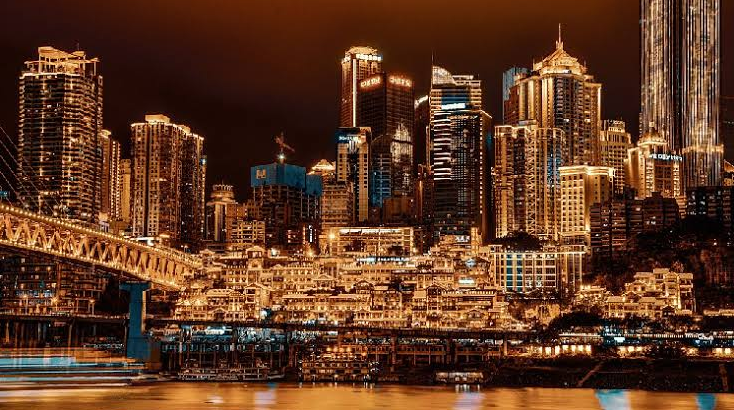
Nanbin Road (南滨路) has some of the best skyline views of Yuzhong Peninsula (渝中半岛). It is also less chaotic than the streets directly around Hongyadong.
Eat Hotpot in the Evening
Hotpot is best when you have time. Do not rush it between attractions. Choose a busy restaurant, order slowly, and start with a split pot if you are not used to spice.
Explore Guanyinqiao (观音桥)
Guanyinqiao (观音桥) is one of the best areas for nightlife, late food, shopping, and a more local urban atmosphere.
Useful Apps
Install and set up key apps before you arrive, because some verification steps may require SMS or card confirmation.
| App | Use |
|---|---|
| Alipay (支付宝) | Payments, metro QR code, taxis, mini programs |
| WeChat (微信) | Messaging, payments, restaurant queues, official accounts |
| Didi (滴滴) | Ride-hailing |
| Amap / Gaode Map (高德地图) | Best local navigation app |
| Trip.com | Trains, flights, hotels, some attraction tickets |
| Google Translate or Baidu Translate (百度翻译) | Translation |
| Air quality / weather app | Useful because fog and visibility can affect viewpoints |
Useful Chinese Phrases
| Phrase | Pinyin | Meaning | When to use |
|---|---|---|---|
| 不太辣 | Bù tài là | Not too spicy | Ordering hotpot or noodles |
| 鸳鸯锅 | Yuānyāng guō | Split hotpot broth | Hotpot restaurants |
| 打表 | Dǎ biǎo | Use the meter | In a taxi |
| 这个多少钱? | Zhège duōshǎo qián? | How much is this? | Markets and snack stalls |
| 厕所在哪里? | Cèsuǒ zài nǎlǐ? | Where is the bathroom? | Anywhere |
| 买单 | Mǎi dān | Bill, please | Restaurants |
| 我不要辣 | Wǒ bú yào là | I do not want spicy food | Restaurants |
| 可以刷支付宝吗? | Kěyǐ shuā Zhīfùbǎo ma? | Can I pay with Alipay? | Shops and restaurants |
Local Tips First-Time Visitors Usually Learn Too Late
1. Do not trust walking distance blindly
A place 500 meters away may involve stairs, bridges, and a major height difference. Check the route carefully, not just the distance.
2. Wear real walking shoes
This is not a city for new leather shoes or heels. Sneakers are the safest choice.
3. Hongyadong has confusing floors
At Hongyadong (洪崖洞), both the lower level and upper level can exit to a road. This is normal in Chongqing.
4. Mild spicy is still spicy
If you are not used to chili and Sichuan peppercorn, start with “not too spicy” and order a split pot.
5. Avoid major Chinese holidays if possible
Labor Day, National Day, and Spring Festival can bring heavy crowds. Hongyadong (洪崖洞), Jiefangbei (解放碑), and popular viewpoints may become extremely busy.
6. Fog can change your plan
Chongqing is often misty, especially in winter. If visibility is poor, choose museums, old streets, teahouses, food areas, or hotpot instead of observation decks.
7. Free viewpoints are often better than paid ones
For night views, Nanbin Road (南滨路), Qiansimen Bridge (千厮门大桥), and the riverfront near Chongqing Grand Theatre (重庆大剧院) can be more rewarding than some paid attractions.
Recommended Trip Styles
For Food Lovers
Base yourself near Jiefangbei (解放碑) or Guanyinqiao (观音桥). Focus on hotpot, Xiaomian (重庆小面), Jianghu Cuisine (江湖菜), night snacks, and local breakfast shops.
For Photographers
Stay near Nanbin Road (南滨路) or central Yuzhong (渝中). Prioritize Hongyadong (洪崖洞), Qiansimen Bridge (千厮门大桥), Liziba Station (李子坝站), Mountain City Trail (山城步道), and river viewpoints.
For Families
Choose a hotel near a metro station and avoid overloading the itinerary. Add Chongqing Zoo (重庆动物园), shorter food walks, and one river-view evening.
For Culture Travelers
Add Three Gorges Museum (三峡博物馆), Dazu Rock Carvings (大足石刻), old streets, and a slower walk through historic neighborhoods.
Final Thoughts
Chongqing (重庆) is not a polished, predictable city. That is what makes it memorable.
Come for Hongyadong (洪崖洞), hotpot, and the famous monorail at Liziba Station (李子坝站), but leave time for the moments in between: a steep staircase, a local noodle shop, a foggy river view, a wrong turn that becomes a better photo than the place you were trying to find.
The best way to enjoy Chongqing is not to fight the city’s layers. Let them surprise you.