Chongqing to Wulong: A Practical One- or Two-Day Nature Itinerary

Last fact-checked: 15 June 2026
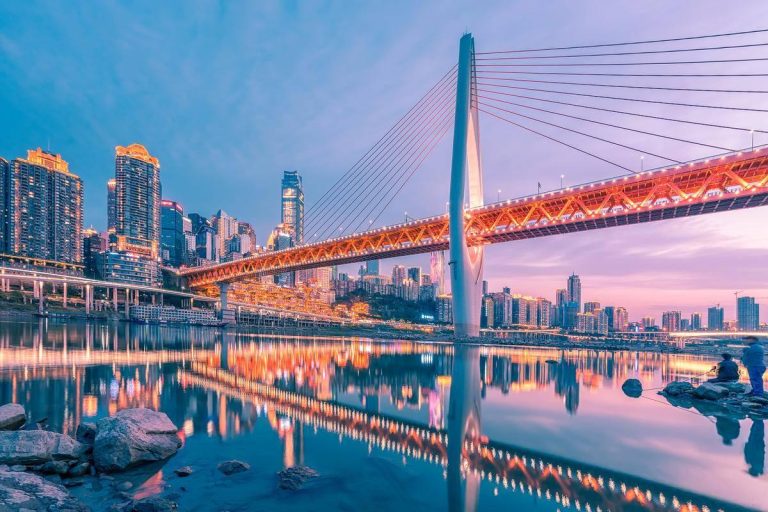
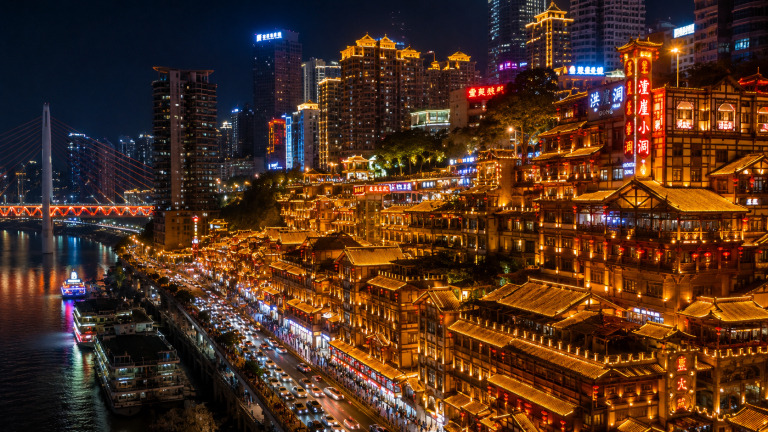
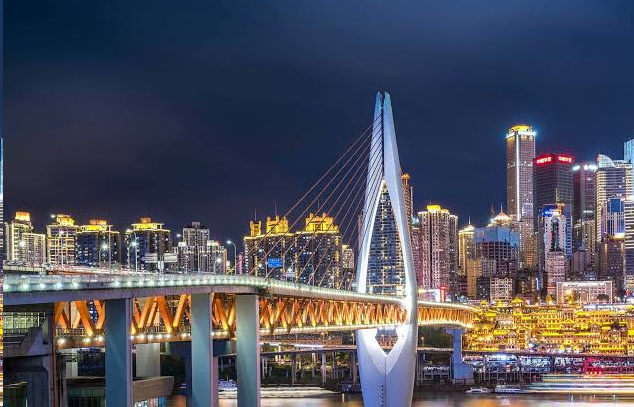
Wulong (武隆) is the most rewarding nature-focused side trip from central Chongqing (重庆). The contrast is immediate: after several days of monorails, high-rise buildings and riverfront night views, you descend into a landscape of enormous limestone bridges, sinkholes, narrow gorges and forested highlands.
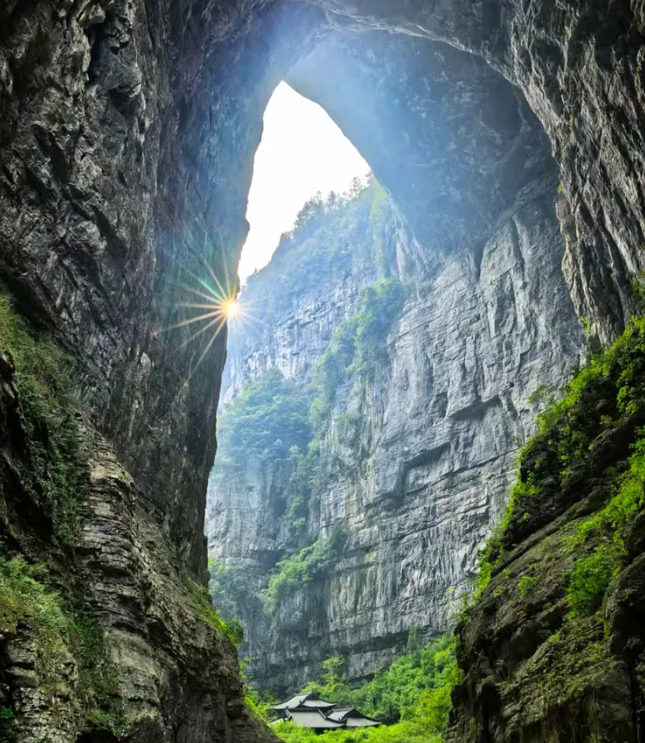
Part of Wulong Karst (武隆喀斯特) belongs to the UNESCO-listed South China Karst. UNESCO specifically recognizes the area for its giant dolines, natural bridges and caves. The best-known site is Wulong Three Natural Bridges (武隆天生三桥), where a walking route passes beneath three immense limestone arches.
Wulong can be visited in one day, but two days provide a much better experience. This guide explains both options and corrects several points that are often outdated in older Chongqing travel articles, including the new high-speed railway, the difference between Wulong’s two train stations and the amount of time required to combine the main attractions.
Important: Train schedules, scenic-area transfers, ticket packages, performance times and weather-related closures can change. Recheck official information shortly before departure.
Is Wulong Worth Adding to a Chongqing Trip?
For most nature lovers, yes.
Wulong is especially worthwhile when:
- you have at least four days in the Chongqing region;
- dramatic landscapes matter more to you than shopping;
- you are comfortable walking for several hours;
- you want a day away from the dense city center;
- you enjoy geological landscapes or location photography.
It may not be the right addition when:
- your Chongqing stay is only one or two days;
- you have significant knee or mobility problems;
- you dislike early starts and multi-stage transport;
- severe rain or weather warnings are in effect;
- you would prefer art and history to an outdoor route.
Travelers looking for a less physically demanding UNESCO excursion should consider the Dazu Rock Carvings (大足石刻) instead.
How Many Days Do You Need in Wulong?
One day
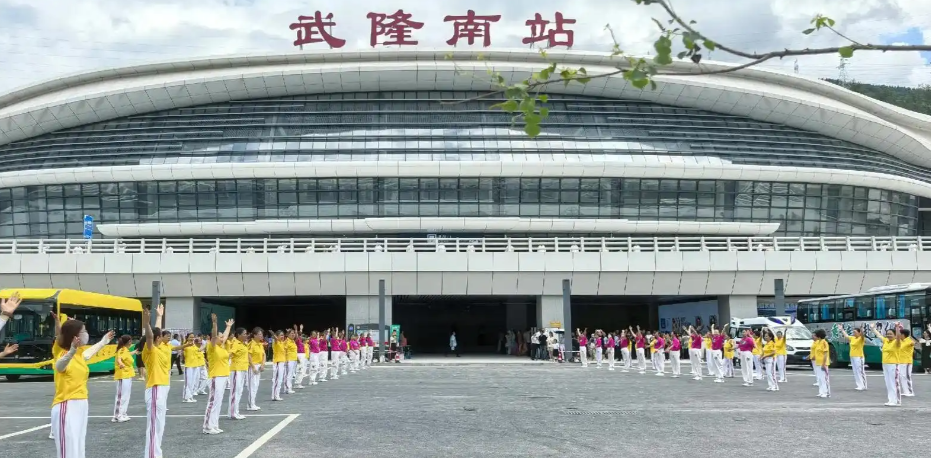
A one-day trip is possible because high-speed trains now connect Chongqing East Railway Station (重庆东站) and Wulong South Railway Station (武隆南站).
For most independent visitors, the sensible one-day plan is:
Wulong Three Natural Bridges (武隆天生三桥) only
Adding Longshuixia Gap (龙水峡地缝) is possible when you take an early train, arrange transfers efficiently and maintain a steady walking pace. However, it leaves little room for train delays, queues, lunch or bad weather.
Two days
A two-day trip is better for:
- Wulong Three Natural Bridges;
- Longshuixia Gap;
- Fairy Mountain National Forest Park (仙女山国家森林公园);
- Impression Wulong (印象武隆), when it is performing;
- photographers who want morning or evening conditions;
- families who prefer a less compressed schedule.
Stay around Xiannüshan Town / Fairy Mountain Town (仙女山镇), close to the tourist center and the major scenic-area transport network.
Main Attractions at a Glance
| Attraction | Chinese | Best for | Typical time on site |
|---|---|---|---|
| Three Natural Bridges | 天生三桥 | Wulong’s signature karst landscape | 2.5–4 hours |
| Longshuixia Gap | 龙水峡地缝 | Narrow gorge, waterfalls and cliffside paths | 1.5–2.5 hours |
| Fairy Mountain National Forest Park | 仙女山国家森林公园 | Forest, open grassland and seasonal scenery | 2.5–4 hours |
| Impression Wulong | 印象武隆 | Outdoor performance and regional culture | About 60–70 minutes |
These times exclude transfers, ticket collection, queues and meal breaks.
Understanding Wulong’s Two Train Stations
This is the most important transport detail.
Wulong South Railway Station (武隆南站)
Wulong South is the new high-speed railway station on the Chongqing East–Qianjiang route. It opened with the new line in June 2025.
Current Chongqing East–Wulong South journeys can take less than one hour, with some scheduled trips around 40–50 minutes.
Use this station for the fastest route from central Chongqing.
Wulong Station (武隆站)
Wulong Station is the older conventional railway station in Wulong’s urban area. It serves slower trains on the existing line.
It is not the new high-speed station.
Older travel guides may still direct visitors from Chongqing North Railway Station (重庆北站) to Wulong Station. That route can still appear in train searches, but it is no longer the default recommendation for a time-efficient day trip.
Always search by the complete station name
When booking, use:
- Chongqing East (重庆东)
- Wulong South (武隆南)
Do not select a station simply because the app displays “Wulong.”
Getting from Wulong South to the Scenic Areas
Wulong has developed direct transfer links between the high-speed station, the urban area, accommodation zones and major attractions. However, routes and departure frequencies can change by season.
Possible options include:
- a direct tourist shuttle;
- a scheduled local bus;
- a taxi or ride-hailing car;
- a transfer arranged by your hotel;
- a licensed tour or private driver.
Your practical destination will usually be Xiannüshan Tourist Center (仙女山游客中心), the current scenic-area transfer point, or the specific entrance named on your ticket.
Do not build the day around an assumed shuttle time
After buying your rail ticket:
- check the official Wulong scenic-area platform;
- ask your accommodation or tour provider for the current transfer;
- allow waiting time at Wulong South;
- confirm whether you must first travel to Xiannüshan Town.
A 40-minute train does not make the entire Chongqing-to-attraction journey 40 minutes. Central-hotel transfers, station security, train boarding and local connections still make this a full-day excursion.
Other Transport Options
Organized tour
A licensed day tour is the simplest choice when you do not want to manage railway and local transfers.
Before booking, check:
- whether the guide speaks English or only Chinese;
- whether all compulsory scenic transport is included;
- which attractions are actually visited;
- how much shopping time is built into the itinerary;
- the central-Chongqing pickup and return points;
- the cancellation policy for bad weather.
A low advertised price may exclude ticket packages, elevators or transfer buses.
Private driver
A driver is practical for two to four travelers, especially for an overnight trip.
Confirm whether the quote includes:
- central-Chongqing pickup;
- motorway tolls;
- parking;
- transfers between attractions;
- waiting time;
- the return journey;
- the driver’s accommodation for an overnight plan.
A driver is not automatically a licensed guide.
Long-distance bus
Coaches have traditionally operated from Chongqing’s Sigongli Transport Hub (四公里交通换乘枢纽) toward Wulong.
This route may remain useful when rail tickets are sold out, but it is slower and more vulnerable to road traffic. Confirm the current departure point and final stop before travel.
Self-driving
Driving from central Chongqing usually takes several hours each way, depending on traffic and weather.
Mountain roads, fog, holiday congestion and unfamiliar parking arrangements make self-driving less attractive for first-time international visitors unless they already have legal driving arrangements in China and experience with local roads.
Wulong Three Natural Bridges (武隆天生三桥)
Three Natural Bridges is the essential Wulong attraction.
The route passes beneath:
- Tianlong Bridge (天龙桥);
- Qinglong Bridge (青龙桥);
- Heilong Bridge (黑龙桥).
The scale is difficult to understand from photographs. The bridges form part of a larger system of cliffs, sinkholes, caves, streams and vegetation.
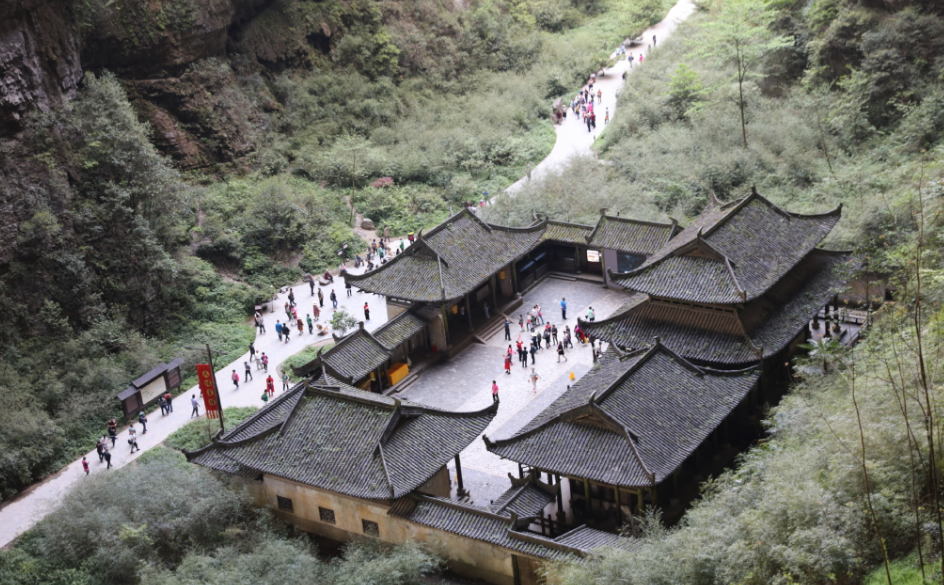
Tianfu Official Post (天福官驿), a reconstructed historic-style post station on the valley floor, is a recognizable filming location from Curse of the Golden Flower. Parts of Transformers: Age of Extinction were also filmed in the Wulong landscape.
Film connections are secondary to the geology. The site is worth visiting even when you have not seen either production.
The Tianlong Scenic Elevator (天龙旋梯)
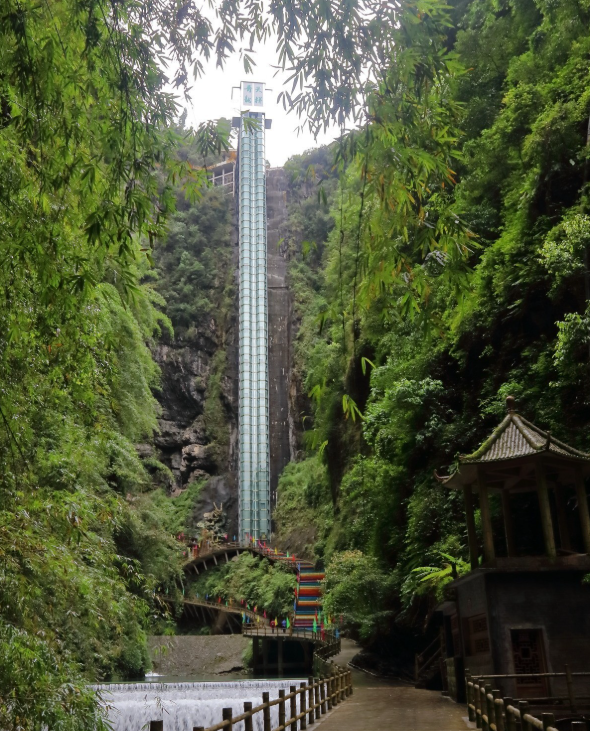
The scenic route includes the Tianlong Scenic Elevator, known in Chinese as Tianlong Xuanti (天龙旋梯).
Official Wulong information describes it as a panoramic “rotating elevator.” The installation consists of three double-deck panoramic elevator units and descends toward the valley floor.
Do not interpret this as a slow observation ride that continuously turns through a full circle. The trip is short, and views depend on your position, crowding and current operation.
Ticket tables list the elevator as part of the full Three Natural Bridges package. Confirm the inclusions shown for your booking date.
What the Three Natural Bridges Walk Is Like
The standard experience is mostly a one-direction route.
Expect:
- a descent by elevator or an alternative walking route when required;
- paved paths;
- stone steps;
- damp sections;
- periods beneath cliffs and arches;
- an uphill or transfer section near the end;
- queues for elevators and buses during busy periods.
An optional paid cart may operate near part of the exit route. Availability and price can change.
The route is not technically difficult, but it is not step-free and should not be described as an effortless valley stroll.
Current Seasonal Opening Pattern
The Wulong District Government lists the following 2026 operating hours for Three Natural Bridges:
- 1–31 May: 08:30–17:00;
- 1 June–31 August: 08:00–17:00;
- 1 September–30 April: 08:30–16:30.
These are operating hours, not a guarantee that every ticket type can be purchased until closing time. Arrive well before the end of the admission period.
Public holidays, maintenance, heavy rain and safety measures can change access.
Three Natural Bridges Tickets
The official Wulong price table currently displays two standard full-package levels for Three Natural Bridges:
- approximately RMB 125 at one rate;
- approximately RMB 155 at the other rate.
The table states that the package includes scenic transfer transport and the Tianlong elevator. Discounts and temporary passes may change the final price.
Do not base your budget on a short-term promotion. A railway-linked pass offered in early 2026, for example, was advertised only through 31 March and should not be treated as a permanent product.
Longshuixia Gap (龙水峡地缝)
Longshuixia Gap is a different landscape from Three Natural Bridges.
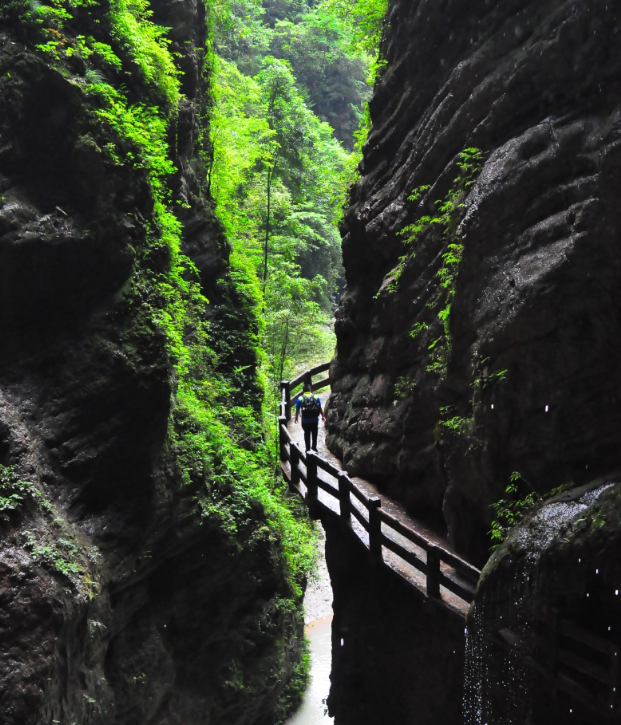
Instead of walking beneath broad natural arches, you move through a much narrower gorge with:
- steep rock walls;
- cliffside paths;
- waterfalls;
- streams;
- confined and shaded sections;
- frequent water spray.
The official tourism site describes a route of roughly one to two hours, but slower visitors should allow longer.
Longshuixia Opening Hours
The Wulong District Government lists the same 2026 seasonal pattern as Three Natural Bridges:
- 1–31 May: 08:30–17:00;
- 1 June–31 August: 08:00–17:00;
- 1 September–30 April: 08:30–16:30.
Access can change because of weather or safety conditions. In June 2026, the scenic area temporarily suspended and then resumed operations, illustrating why same-day checks matter.
Longshuixia Tickets
The official Wulong price page currently displays full-package levels of approximately:
- RMB 85;
- RMB 105.
The published package information includes a scenic transfer component and an elevator component.
Check the price and inclusion details for your date. Admission-only figures shown in some government lists do not necessarily represent the total amount an independent adult visitor pays for the complete route.
Can You Visit Both Sites in One Day?
Yes, but not every traveler should.
Combining Three Natural Bridges and Longshuixia works best when:
- you take an early Chongqing East–Wulong South train;
- your onward transfer is confirmed;
- tickets are purchased in advance;
- both attractions are operating normally;
- you walk at a steady pace;
- you carry lunch or eat quickly;
- your return train leaves a generous margin.
Choose Three Natural Bridges only when:
- you want time for photography;
- you are traveling with children or older family members;
- the weather is wet;
- your train arrives later in the morning;
- local transfers are unclear;
- you do not want to rush.
Do not assume that the exit bus from Three Natural Bridges always connects immediately to Longshuixia. Follow the day’s official signs and confirm the correct bus before boarding.
One-Day Wulong Itinerary
Recommended Standard Version: Three Natural Bridges Only
This is the most reliable independent day trip.
06:00–06:30 — Leave Central Chongqing
Travel to Chongqing East Railway Station (重庆东站).
Build in time for:
- the journey from your hotel;
- security screening;
- finding the correct waiting area;
- passport checks;
- walking through the station.
Chongqing East is a large transport hub. Do not arrive only a few minutes before departure.
Early morning — Train to Wulong South
Take a high-speed train from Chongqing East to Wulong South.
Use China Railway 12306 (铁路12306) or Trip.com for the exact schedule. Train frequency and journey time vary by date.
Morning — Transfer to the Tourist Center or Scenic Entrance
Follow the transfer method confirmed in advance.
At Wulong South, do not accept an unofficial ride without understanding the price and destination. Use an official bus, established ride-hailing platform, licensed taxi or pre-arranged vehicle.
Late morning to mid-afternoon — Three Natural Bridges
Allow three to four hours including:
- ticket checks;
- elevator queues;
- the main walk;
- photography;
- breaks;
- exit transport.
Carry water and a simple lunch or snack. Food choices inside and immediately around the route may be limited, crowded or slower than your train schedule allows.
Mid- to late afternoon — Return to Wulong South
Leave a generous buffer before the train.
A suitable buffer depends on your transfer arrangement, but it should account for:
- waiting for the scenic bus;
- road traffic;
- finding the station entrance;
- security screening;
- platform access.
Do not book the final train of the evening unless you have a realistic overnight backup plan.
Evening — Return to Chongqing
After arriving at Chongqing East, allow additional time to reach Jiefangbei (解放碑), Jiaochangkou (较场口) or another central hotel area.
Fast-Paced Version: Three Natural Bridges and Longshuixia
Use this only with an early arrival and confirmed connections.
Suggested structure
- Early train from Chongqing East to Wulong South
- Direct transfer to the scenic-area system
- Three Natural Bridges before lunch
- Quick meal or packed lunch
- Transfer to Longshuixia Gap
- Complete the gorge route
- Return directly to Wulong South
- Evening train to Chongqing
This is a schedule framework, not a guaranteed timetable. Do not publish fixed clock times without checking the exact train and transfer schedule for the travel date.
When to abandon the second attraction
Skip Longshuixia when:
- you enter Three Natural Bridges later than planned;
- elevator queues are long;
- paths are slippery;
- your group is tired;
- the transfer bus is delayed;
- weather is worsening;
- your return-train margin falls below a comfortable level.
Missing one attraction is better than missing the last practical train.
Two-Day Wulong Itinerary
Two days create a more balanced trip and make Impression Wulong possible.
Day 1: Three Natural Bridges, Longshuixia and Overnight
Morning — Chongqing East to Wulong South
Take a morning high-speed train and transfer toward Xiannüshan Town or the tourist center.
Leave luggage at your hotel when the route and check-in arrangements make this practical. Do not carry a large suitcase through the scenic areas.
Late morning — Three Natural Bridges
Allow three to four hours.
Take photographs, but keep moving when paths are narrow. Do not block the route with tripods or extended photo sessions.
Lunch
Eat at the tourist center, Xiannüshan Town or another established restaurant on your transfer route.
Local dishes commonly promoted in Wulong include:
- bowl-served lamb (碗碗羊肉);
- sweet potato noodles (苕粉);
- spring-water chicken (泉水鸡);
- cured pork with vegetables (腊肉炒时蔬).
Restaurant names, branches and quality change. Select a current, well-reviewed location rather than treating one establishment as a permanent recommendation.
Afternoon — Longshuixia Gap
Allow roughly two hours plus transport.
The gorge is wetter and more confined than Three Natural Bridges. Pack rain protection even when the forecast is dry.
Late afternoon — Check In
Stay in or close to Xiannüshan Town (仙女山镇).
The area is practical because it serves the tourist center, accommodation and onward transport toward several attractions.
Evening — Impression Wulong (印象武隆), Optional
Impression Wulong is an outdoor performance staged in a mountain setting. It incorporates regional cultural themes, including Chuanjiang work songs (川江号子).
The performance is seasonal and weather-sensitive.
As of 6 June 2026, the official Wulong tourism site announced:
- first performance: 20:30–21:40;
- a second performance only when booking demand supports it.
Earlier 2026 notices used different start times. This demonstrates that the schedule changes during the year.
Check the official Impression Wulong account or Wulong ticket platform on the day. Arrive around 30 minutes before the published start time.
Is the show essential?
No. Choose it when you enjoy large-scale outdoor productions and want a cultural evening.
Skip it when:
- you are tired after both scenic areas;
- rain is forecast;
- you prefer quiet nature experiences;
- the available ticket is expensive or poorly located;
- the return transfer to your hotel is unclear.
Day 2: Fairy Mountain National Forest Park (仙女山国家森林公园)
Fairy Mountain offers forest and open highland scenery rather than the enclosed karst valleys of Day 1.
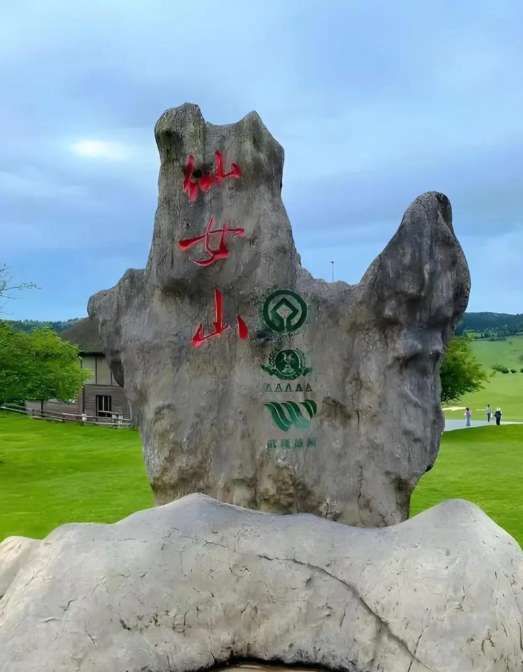
The experience changes substantially by season:
- spring brings cooler walking conditions and fresh vegetation;
- summer is a popular escape from central Chongqing’s heat;
- autumn may provide clearer air and seasonal color;
- winter can bring snow and separate winter-sports operations.
Basic admission is commonly listed at RMB 50. Internal sightseeing transport and recreational activities may cost extra.
Morning — Enter Early
Early arrival is useful for:
- cooler temperatures;
- fewer visitors;
- softer light;
- possible mist;
- more time before the return train.
Choose a focused visit
Do not assume the park is a compact European-style meadow. It is a large scenic area, and internal transport may be necessary.
Select two or three priorities such as:
- grassland views;
- forest scenery;
- sightseeing train;
- seasonal snow activities;
- a short walk;
- family recreation.
Midday — Lunch and Return Transfer
Return to Xiannüshan Town for lunch or eat at an established venue within the current operating area.
Collect luggage and travel to Wulong South with enough margin for the train.
Afternoon or Early Evening — Return to Chongqing
Choose a train that leaves room for transfer uncertainty.
A two-day trip should feel easier than a one-day trip. Do not undermine that advantage by booking an unrealistically tight return.
Where to Stay in Wulong
Best area: Xiannüshan Town (仙女山镇)
This is the most practical base for the major scenic areas.
Look for accommodation that provides:
- clear passport registration for international guests;
- walking access or transport to the tourist center;
- luggage storage;
- heating or air conditioning appropriate to the season;
- an early breakfast;
- help arranging transfers;
- a current map pin in Amap (高德地图);
- transport after Impression Wulong.
Do not book by scenery alone
A mountain-view guesthouse may be far from the transfer system. Before paying, ask:
- How far is the property from Xiannüshan Tourist Center?
- Is the route walkable with luggage?
- Can the property collect guests from the current bus stop?
- Can it arrange a vehicle to Wulong South?
- Is late check-in possible after the performance?
- Does the room have effective heating in winter?
- Can the property register foreign passports?
Hotel and guesthouse prices vary too much by date to publish a reliable permanent range. Weekend, summer, snow-season and public-holiday rates can be much higher than ordinary weekday prices.
What to Pack
Essential items
Shoes with strong grip
This is the most important item.
Paths can be damp from rain, waterfall spray and the naturally humid gorge environment.
Lightweight rain jacket or poncho
A poncho is more practical than a wide umbrella on narrow paths and in crowded sections.
Warm layer
The valley floor, shaded gorge and Fairy Mountain can feel cooler than central Chongqing.
Water and compact snacks
Carry enough for delays, but avoid a heavy backpack.
Passport
Bring the original document used for train and attraction bookings.
Power bank
Navigation, translation, photography and mobile tickets drain batteries quickly.
Make sure the power bank meets current railway and aviation rules when it is also being carried on a flight.
Waterproof protection
A simple waterproof phone pouch or small dry bag is useful in Longshuixia.
What not to bring
Avoid:
- hard-shell suitcases;
- unstable tripods for narrow paths;
- smooth-soled shoes;
- large umbrellas;
- unnecessary valuables;
- heavy food supplies;
- drones without checking all local restrictions.
Heritage and scenic areas may restrict drone use.
Photography Guide
Three Natural Bridges
Use a person in the frame to show the scale of the arches.
A wide-angle lens is useful, but avoid extreme distortion that misrepresents the site.
The light range between bright sky and dark rock can be difficult. Expose for highlights and raise shadows carefully in editing.
Tianfu Official Post (天福官驿)
Photograph from an established upper viewpoint or marked path. Do not climb restricted slopes for a higher angle.
Longshuixia Gap
Water spray and low light are the main challenges.
Use:
- lens cloths;
- image stabilization;
- a slightly faster shutter speed near waterfalls;
- secure straps;
- waterproof protection.
Tripods may obstruct narrow routes and may not be permitted or practical.
Fairy Mountain
Morning mist can add atmosphere, but it is not guaranteed.
Longer lenses help isolate trees, visitors or grazing animals without leaving approved paths.
Responsible image use
For a travel website:
- use original photography or commercially licensed stock;
- do not use an AI-generated image as evidence of current site conditions;
- do not remove safety barriers from edited images;
- do not stage visitors in restricted areas;
- do not describe a photograph as “sunrise” or “rainbow after rain” unless that is genuinely what it shows.
Weather and Safety
Rain
Light rain can make the karst landscape atmospheric, but it also makes paths slippery.
Check official notices after sustained or heavy rainfall. Scenic areas may suspend operation for safety and reopen later.
Fog
Fog at the upper entrance does not always mean the valley floor will have no visibility. Conditions vary by elevation.
However, do not promise that visibility below will “usually be clear.” Dense fog can affect multiple levels.
Heat
Summer conditions in central Chongqing can be extreme. Wulong may feel cooler, but exposed transfer areas and Fairy Mountain can still be sunny.
Carry water and sun protection.
Winter
Snow and ice create a different experience at Fairy Mountain and may affect roads and walking surfaces.
Use winter footwear and confirm current transport.
Emergency planning
Save:
- your hotel’s Chinese name and phone number;
- the attraction’s official service number;
- the return train details;
- your passport information;
- an offline screenshot of the route.
Do not depend entirely on mobile signal inside deep landscape features.
Accessibility and Family Advice
Three Natural Bridges
The elevator reduces the initial descent, but the complete route still includes walking, slopes and steps.
Wheelchair and stroller users should request current accessibility information from the attraction before booking.
Longshuixia
This is the more difficult choice for visitors with limited mobility because paths can be narrow, wet and stepped.
Fairy Mountain
Fairy Mountain may be the easiest of the three main nature attractions when internal transport is operating, but distances remain substantial.
Traveling with young children
Bring a child carrier rather than assuming a stroller will work throughout the karst attractions.
Do not allow children to climb barriers or run on wet paths.
Older travelers
Do not use age alone to decide suitability. Consider:
- knee strength;
- balance;
- confidence on wet steps;
- ability to stand in queues;
- comfort with several transport changes.
A private transfer and Three Natural Bridges-only itinerary may work better than a compressed two-attraction day.
Booking and App Guide
Train tickets
Use:
- China Railway 12306 (铁路12306);
- Trip.com.
Search the complete station names. Carry the same passport used in the booking.
Scenic tickets
Official channels include the Wulong Scenic Area platform (武隆景区官方平台), the Wulong Scenic Area mini program (武隆喀斯特旅游景区) and established booking platforms.
International card and identity verification can vary. Trip.com may be more convenient for some overseas users, but compare the package inclusions.
Maps
Amap / Gaode Maps (高德地图) and Baidu Maps (百度地图) are more useful locally than many overseas mapping platforms.
Save these Chinese names:
- Chongqing East Railway Station (重庆东站)
- Wulong South Railway Station (武隆南站)
- Xiannüshan Tourist Center (仙女山游客中心)
- Wulong Three Natural Bridges (武隆天生三桥)
- Longshuixia Gap (龙水峡地缝)
- Fairy Mountain National Forest Park (仙女山国家森林公园)
- Impression Wulong (印象武隆)
Estimated Budget
Prices vary by date, train and ticket package. Use these ranges only for planning.
One day: Three Natural Bridges only
| Item | Planning range |
|---|---|
| Return high-speed rail | Check current fare |
| Local transfers | RMB 40–150 |
| Three Natural Bridges package | Approximately RMB 125–155 |
| Food and water | RMB 40–100 |
| Typical total excluding tour guide | Approximately RMB 250–500 plus variable rail fare |
One day: Two attractions
Add approximately RMB 85–105 for the official Longshuixia full-package level currently displayed, plus any extra transfer or food cost.
Two days
Add:
- one night of accommodation;
- Fairy Mountain admission and optional internal transport;
- Impression Wulong ticket when selected;
- additional meals and local transfers.
Do not publish one fixed “total” because lodging and performance tickets create a wide variation.
Which Itinerary Should You Choose?
| Your situation | Best plan |
|---|---|
| First Wulong visit with one day | Three Natural Bridges only |
| Very early train and strong walking pace | Three Natural Bridges + Longshuixia |
| Nature-focused Chongqing trip | Two-day Wulong itinerary |
| Family with mixed energy levels | Two days, with a lighter Day 1 |
| Limited mobility | Three Natural Bridges only after confirming access, or choose Dazu |
| Landscape photographer | Two days |
| Winter snow interest | Two days with Fairy Mountain |
| Culture and performance interest | Overnight with Impression Wulong |
| Short Chongqing stay | Skip Wulong and stay in the city |
Final Advice
Wulong is easier to reach than it was a few years ago, but it is still not a “40-minute trip from Chongqing.”
The high-speed train covers only one part of the journey. A successful visit also depends on reaching Chongqing East, transferring from Wulong South, navigating the tourist-center system and leaving enough time for the return train.
For most independent international visitors:
- choose Three Natural Bridges for a one-day trip;
- choose two days for Three Natural Bridges, Longshuixia and Fairy Mountain;
- treat Impression Wulong as an optional evening, not a compulsory attraction;
- book by complete station name;
- verify transfers and operations shortly before travel;
- wear shoes designed for wet paths.
That approach provides a far better experience than trying to compress every Wulong attraction into a single checklist.